The Rise of Branded Developers: Why Reputation Matters More Than Ever
When you buy a home, you’re not simply purchasing a physical space.
You’re also placing significant trust in the people responsible for creating, delivering and maintaining that space.
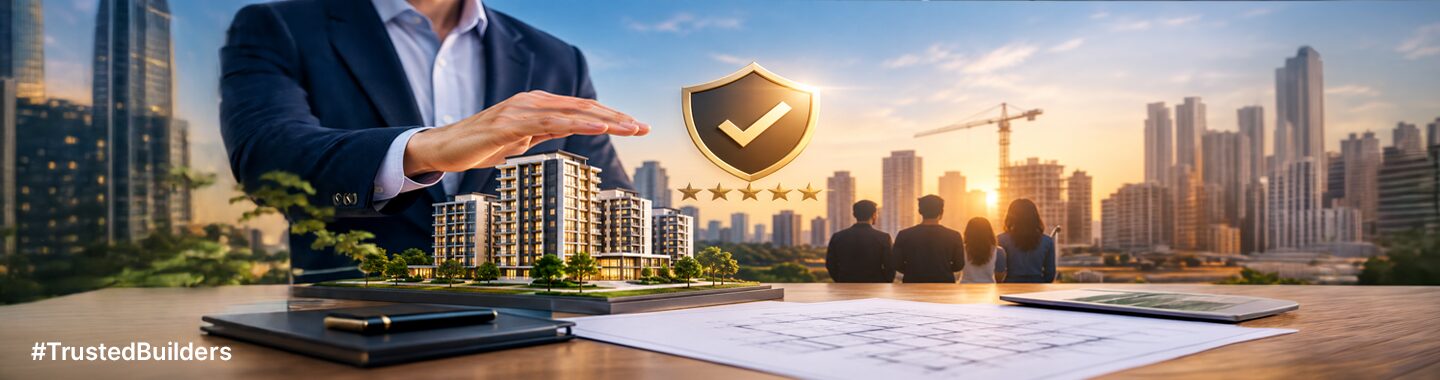
This is one reason branded developers are becoming increasingly important in India’s residential real estate market.
A recognised developer does not automatically make a project risk-free or guarantee returns. But an established track record can provide buyers with valuable information about delivery, construction quality, customer experience and execution.
In a market where buyers have more choices than ever, reputation has become an important part of the decision-making process.
What Makes a Developer “Branded”?
A branded developer is typically one with an established presence, identifiable track record and recognised reputation in the market.
But brand recognition alone is not enough.
Buyers should look at what the brand represents.
Consider:
- Number of completed projects
- Delivery track record
- Construction quality
- Customer feedback
- Financial strength
- Transparency
- Project execution
- After-sales service
The real value of a brand lies in the consistency of its performance.
Why Does Reputation Matter?
1. Buying a Home Involves Long-Term Trust
A homebuyer may interact with a developer for several years—from booking to construction, possession and post-possession support.
This makes reliability particularly important.
A developer with a strong track record may provide greater confidence around project execution.
2. Delivery History Offers Useful Evidence
Future promises are difficult to evaluate.
Past performance provides evidence.
Buyers can examine:
- Were previous projects completed on time?
- Were promised amenities delivered?
- Did the final product match the original proposition?
- How did customers rate the experience?
No developer gets every project perfectly right, but a consistent track record can be informative.
3. Quality Can Influence Long-Term Value
Construction quality isn’t simply about aesthetics.
It can affect:
- Maintenance
- Durability
- Resident experience
- Resale appeal
- Rental demand
This is why the reputation of trusted builders can influence how buyers perceive long-term value.
However, buyers should still inspect the actual project rather than relying only on the developer’s name.
4. Transparency Builds Brand Equity
Today’s buyers have access to extensive information.
They can research developers, compare projects, read reviews and examine regulatory records.
This makes transparency increasingly important.
A strong developer should ideally provide clear information about:
- Project specifications
- Pricing
- Payment schedules
- Approvals
- Timelines
- Amenities
- Possession
- Applicable charges
Transparency reduces uncertainty.
Branded Developer vs Local Developer
This does not mean a smaller developer cannot deliver an excellent project.
Many regional developers have strong local knowledge and impressive execution capabilities.
The point is not:
Big brand = good property
and
Small brand = bad property.
Instead, the lesson is:
Track record matters more than labels.
A buyer should evaluate the actual evidence behind the developer’s reputation.
How to Evaluate a Developer Before Buying
Check completed projects
Visit completed developments where possible.
Speak to residents.
Look at maintenance and the condition of common areas.
Study delivery history
Look beyond marketing claims.
Check project timelines and actual completion records.
Verify regulatory information
Use relevant official regulatory platforms to verify project registration and available information.
Research customer feedback
Online reviews can provide useful signals, although they should not be treated as absolute truth.
Look for recurring patterns rather than isolated complaints.
Examine the project—not just the brand
Even a reputable developer can have projects that differ in location, product quality and investment potential.
The specific project matters.
Reputation Is Becoming a Financial Consideration
For many buyers, developer reputation was once viewed primarily as a question of trust.
Today, it can also influence the economics of a property.
A strong reputation may contribute to:
- Faster buyer decision-making
- Better resale confidence
- Tenant perception
- Brand premium
- Marketability
Again, this doesn’t guarantee appreciation.
But in a competitive market, confidence itself can have economic value.
Why This Matters Even More in 2026
Real estate buyers today are more informed.
They can compare multiple developers and projects before making contact.
They can access project information online.
They can study market trends and neighbourhood development.
This means developers increasingly compete not only on price and amenities but also on credibility.
The strongest brands are those that can support their promises with a history of execution.
The Bottom Line
The rise of branded developers reflects a broader change in Indian homebuying.
Buyers are not simply asking:
“What does this project offer?”
They are also asking:
“Who is behind it?”
That question matters.
A strong developer track record can provide useful confidence, but buyers should still conduct independent due diligence on the project, documentation, location, pricing and future potential.
The best approach is simple:
Trust the brand—but verify the property.
Looking for your next home? Buy with confidence through verified developers.
#TrustedBuilders #Property