ESG in Real Estate: Why Sustainable Developments Are Attracting Investors
Real estate has always been about the future.
A property purchased today may be held for decades. That makes an important question unavoidable:
Will this property remain desirable, efficient and valuable as the world changes?
This is where ESG in real estate is becoming increasingly important.
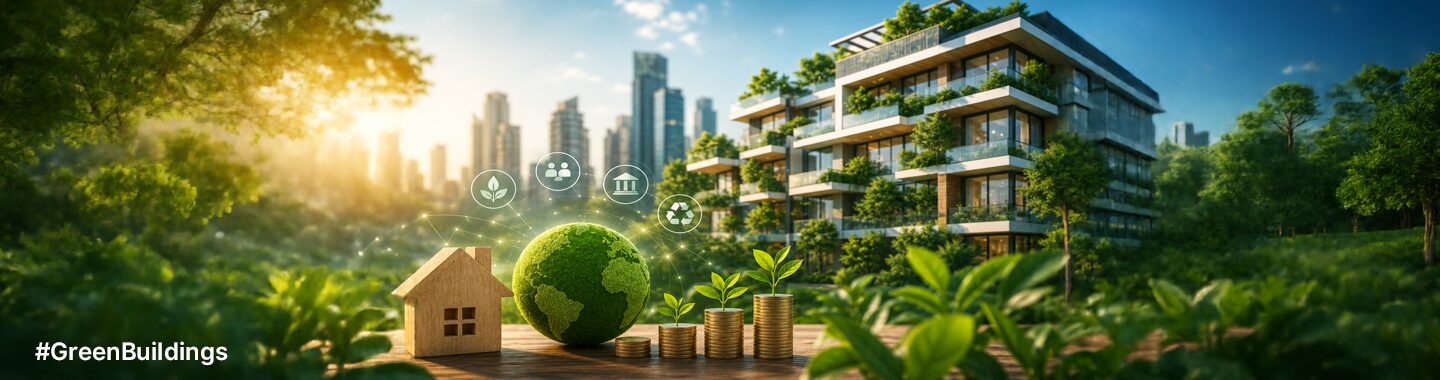
ESG stands for Environmental, Social and Governance. In property, the concept goes far beyond adding a few solar panels or planting more trees.
It looks at how a development uses resources, supports its occupants and is managed responsibly.
For investors, this matters because sustainability is increasingly connected to operating efficiency, tenant preferences, regulatory expectations, asset resilience and long-term value.
What Does ESG Mean in Real Estate?
Environmental
The environmental component focuses on how a building or development interacts with the natural environment.
This can include:
- Energy efficiency
- Water conservation
- Renewable energy
- Waste management
- Green building design
- Sustainable materials
- Landscaping
- Reduced emissions
- Climate resilience
Social
The social component considers the people who live, work or interact with the development.
It can include:
- Health and wellbeing
- Accessibility
- Safety
- Community spaces
- Indoor environmental quality
- Inclusive design
- Employee and worker welfare
- Neighbourhood impact
Governance
Governance focuses on how the asset and organisation are managed.
This can include:
- Transparency
- Compliance
- Risk management
- Ethical business practices
- Reporting
- Accountability
Together, these three pillars provide a broader framework for evaluating a property’s long-term quality.
Why Are Investors Paying Attention?
1. Lower Operating Costs Can Improve Value
Energy-efficient buildings can potentially consume less electricity.
Water-efficient systems can reduce consumption.
Efficient waste management can improve operational performance.
For commercial properties especially, these savings can influence occupancy, tenant satisfaction and operating economics.
For residential buyers, efficient homes can potentially translate into lower recurring expenses.
This is one reason sustainable development is increasingly viewed as an economic consideration rather than simply an environmental one.
2. Buyers and Tenants Are Becoming More Conscious
Consumer preferences are changing.
Homebuyers may look for natural light, ventilation, green spaces, water conservation and energy efficiency.
Commercial tenants may increasingly consider the sustainability credentials of the buildings they occupy.
As these preferences strengthen, properties that are designed around them may become more competitive.
3. Regulation Is Evolving
Governments and institutions globally are placing greater emphasis on environmental performance, energy efficiency and responsible development.
Real estate assets have long lifespans.
Designing buildings that can adapt to changing standards can therefore be an important part of long-term asset planning.
Investors who consider future requirements today may reduce the risk of their properties becoming less competitive tomorrow.
4. Resilience Matters
Sustainability is not only about reducing environmental impact.
It is also about resilience.
How does a development respond to:
- Heat
- Water stress
- Extreme weather
- Energy disruptions
- Resource constraints?
Buildings designed with resilience in mind can potentially perform better as environmental conditions change.
This makes sustainability part of the broader investment conversation.
5. Green Buildings Can Strengthen Market Appeal
A green building can offer a combination of tangible and intangible benefits.
Better ventilation and natural light can improve occupant comfort.
Efficient systems can reduce operating costs.
Landscaped areas can improve the environment.
Sustainable design can also strengthen the property’s positioning among increasingly conscious buyers and tenants.
However, investors should be careful not to treat every “green” claim as equivalent.
Look Beyond Green Labels
A project being marketed as sustainable does not automatically make it a strong ESG investment.
Investors should ask:
- What sustainability certifications does it have?
- What systems are actually installed?
- How efficiently does it use energy and water?
- How is waste handled?
- What proportion of open space is genuinely usable?
- How is the development managed?
- What are the ongoing maintenance implications?
The details matter.
ESG Can Influence Residential Real Estate Too
ESG is sometimes associated primarily with large commercial buildings.
But the principles are increasingly relevant to residential development.
Consider a home with:
- Better natural ventilation
- Efficient lighting
- Water-saving fixtures
- Rainwater management
- Renewable energy integration
- Green open spaces
- Waste segregation
- Walkable internal areas
These features can contribute to a healthier and more efficient lifestyle.
The result is a development that can potentially offer value beyond the apartment’s carpet area.
The Social Side of Sustainable Development
One of the most overlooked aspects of ESG is the “S.”
A genuinely sustainable development should consider the people who use it.
That means creating environments that encourage:
- Safety
- Accessibility
- Community interaction
- Wellness
- Inclusivity
- Quality of life
A development can be energy-efficient and still offer a poor living experience.
The strongest projects aim to balance environmental performance with human wellbeing.
Governance Is Equally Important
Investors should not ignore governance.
Transparent documentation, responsible management, compliance and clear communication can influence confidence in a project.
In real estate, where transactions involve substantial capital and long investment horizons, governance can be especially important.
A sustainable building with poor management may not deliver the long-term value investors expect.
Does ESG Guarantee Higher Returns?
No.
This is an important distinction.
ESG can contribute to the long-term attractiveness and resilience of a property, but it does not guarantee appreciation or investment returns.
Property value continues to depend on fundamentals such as:
- Location
- Demand
- Supply
- Connectivity
- Developer quality
- Pricing
- Asset quality
- Economic conditions
ESG should therefore be considered one part of a broader investment evaluation.
What Should Future-Focused Investors Look For?
When assessing a sustainable development, consider five questions:
1. Is the property resource-efficient?
2. Does it create a healthy and usable environment?
3. Is the development responsibly managed?
4. Can it adapt to future environmental and regulatory changes?
5. Does the sustainability proposition create genuine value rather than just marketing appeal?
These questions can help separate meaningful ESG practices from surface-level claims.
The Bottom Line
ESG in real estate is becoming more relevant because sustainability and investment performance are increasingly connected.
A future-ready property is not simply one that looks green.
It is one that uses resources responsibly, supports the people who occupy it, is managed transparently and remains resilient as circumstances change.
For investors with a long-term horizon, that can be an important part of evaluating property value.
The real question is no longer simply:
“What is this property worth today?”
It is:
“How well is this property prepared for tomorrow?”
Looking for developments built with the future in mind? Invest in future-ready projects.
#ESG #GreenBuildings